
Our philosophy is to provide clients with unique and cost-effective
solutions. In doing so, we place great emphasis on knowledge sharing
to ensure we leave clients with the skills, experience and confidence to
carry the results of projects forward.
 Tavares Group Consulting was pleased to attend the fifth annual World Ethical Apparel Roundtable (WEAR) in Toronto, Ontario, at the beginning of October. At WEAR, industry innovators, scientists, activists, and researchers exchange ideas in order to inspire and motivate best practices, solutions, and local and global leadership within the fashion industry in North America. In 2018 keynote speakers included voices from World Vision, H&M, Mountain Equipment Co-op (MEC), and Jeanne Beker from the Shopping Channel, among many others.
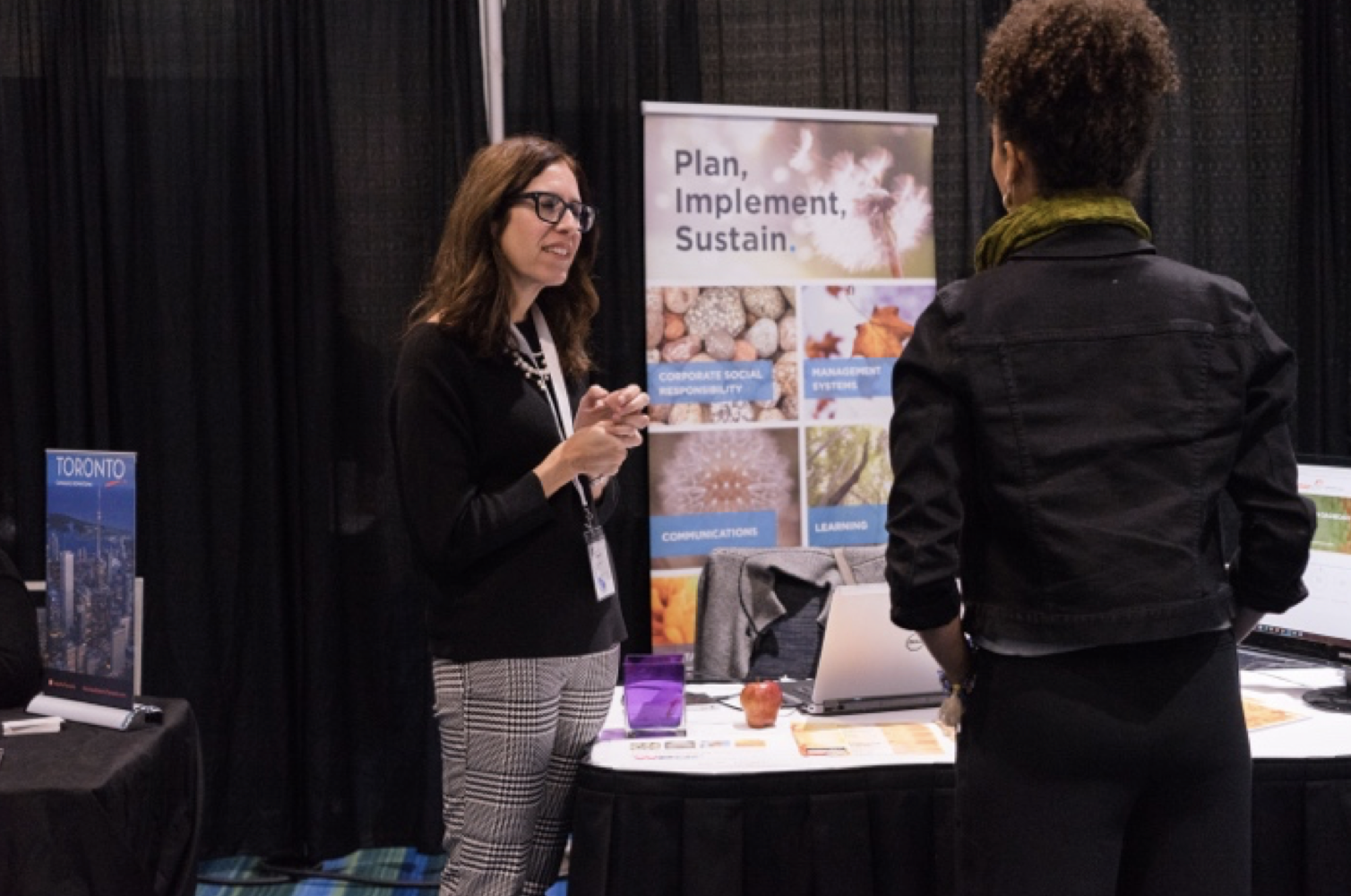
The UN Sustainable Development Goals (SDGs) were woven into the design of 2018 WEAR panel discussions, keynote topics, and workshops. The conference explored themes relating circular economy, textile waste and recycling, equipment and textile innovation, water preservation, human rights, supply chain, and the use of technology and software to manage sustainability issues. TGC’s StaarsoftTM planning, implementation and reporting software and its associated Sustainability Toolkit approach were showcased to demonstrate how retailers and brands and their supply chains can identify and achieve these sustainability goals.
It’s no secret that the three trillion-dollar fashion industry is the second most polluting industry after fossil fuel production. Today, we purchase more clothing than previous generations, and wear them half as long. From supply chain to post-consumer waste, there is a direct impact on global climate change and human rights violations. What are companies in the apparel and textile industry doing to meet SDGs.
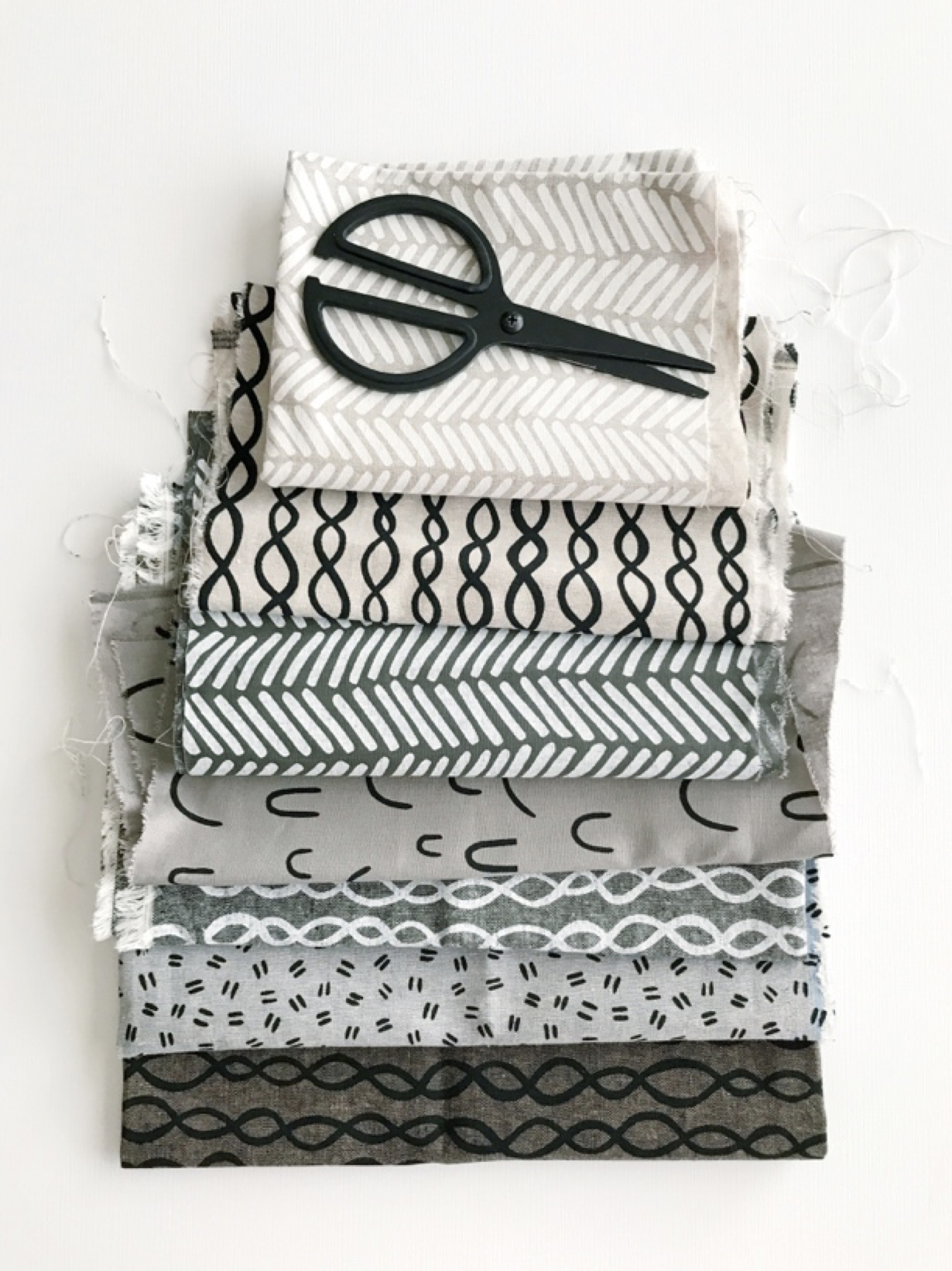 Unusable garments, pieces from the cutting floor, and unsold items often end up in landfill or the incinerator. To divert textile waste, the Swedish multinational clothing retailer H&M has made a shift towards a circular textile economy. H&M has a take-back program that accepts worn garments (from any brand) which are then recycled into new material. Fishnets and other waste are being used to make nylon, and recycled silver is given another life as new jewellery. In 2017, H&M collected 17,771 tonnes of textiles to reuse and recycle. By 2030, the company plans for 100% of their fibres to be made from sustainably sourced or recycled materials. H&M is leading the way for SDG 12 (Responsible Consumption and Production) and setting a model for a circular fibre strategy for fashion retailers.
Mountain Equpment Coop is a Canadian outdoor goods company. At MEC, the definition of a quality product is one that has the smallest possible footprint, made with respect for the people who manufacture it. Sustainability innovation (covered in SDG 9, Industry, Innovation and Infrastructure) is something MEC is pursuing. One aspect of their sustainability program is the 5 – R approach to textiles within the circular economy:
Applying these principles help MEC meet their goals to divert waste, reduce water use, and lower carbon emissions.
MEC considers the lifecycle for their products from supply chain to end of life, making products that are designed to be repaired rather than discarded. In an effort to combat microfibre pollution through general product use and end of life disposal, MEC has partnered with the Vancouver Aquarium’s Ocean Pollution Research Institute and the Outdoor Industry Association to assess the questions surrounding microfibres and marine life, exemplifying SDG 17, Partnerships for the Goals.
Have you considered lifecycle in your sustainability program? Like MEC, TGC recognizes that regulation is a signal of design failure. StaarsoftTM and its Sustainability Toolkit approach includes lifecycle as a Products & Services metric (now linked to SDGs 8, Decent Work and Economic Growth and 12, Responsible Consumption and Production, in their recently updated version) to be considered and compliance as a critical principle as part of a successful sustainability program.
In a WEAR 2018 “fireside chat,” Jeanne Beker of Fashion TV fame and Adam Taubenfligel of Triarchy Denim discussed how to restart a brand as a sustainable business. One pair of traditional cotton jeans requires nearly 3,000 gallons of water to make. In the face of a retail climate that prioritizes low costs, risks, and mass production, Triarchy’s Creative Director boldly halted production to reassess his brand and challenge the norm. He did this by implementing water recycling, use of a tencel cotton blend made from eucalyptus trees, and uprooting production to a factory in Mexico where innovation and employee wellbeing are recognized as key factors to success – examples of SDGs 6, Clean Water and Sanitation; 9, Industry, Innovation and Infrastructure; and 3, Good Health and Well-Being.
Child labour and modern slavery are often the price paid for low costs. The textile sector can play a large role in ending human rights violations (SDG 8) connected to supply chain and product manufacturing, in addition to government regulation. Daniel Wilcox, the Advocacy Campaign Coordinator at World Vision, says, “Child and forced labour is pervasive in the textile industry. Textile imports to Canada at high risk of involving child and forced labour increased by 31% between 2012 to 2016. While there are no simple solutions to the problem, Canadian companies and our government can work together toward comprehensive solutions. This starts by working towards Canadian Supply Chain legislation, in which companies would be required to outline the steps being taken to assess and mitigate risks around child and forced labour and proactively disclose these efforts for consumers and investors to see. As companies work within a higher threshold for human rights compliance, they should be expected to develop stronger supplier codes of conduct prohibiting child and forced labour, conduct unannounced third-party supplier auditing to measure compliance, and develop formal, accessible grievance mechanisms, and a process for responding to reported violations.”
How are your Environmental and Community issues, Operating Practices and Products & Services being managed? Tavares Group Consulting offers customizable and scalable solutions to assist organizations pursue Corporate Social Responsibility (CSR) and Sustainability. Our CSR services include gap analyses/benchmark assessments, sustainability action planning and implementation, Corporate Responsibility / Sustainability reporting and assurance services, and sustainability strategy software via StaarsoftTM. For more information on how we can assist your organization meet its CSR / Sustainability goals, contact us!