
Our philosophy is to provide clients with unique and cost-effective
solutions. In doing so, we place great emphasis on knowledge sharing
to ensure we leave clients with the skills, experience and confidence to
carry the results of projects forward.
With the Drinking Water Quality Management Standard (DWQMS) currently under review (consultation ends 6 June 2025 to the proposed mostly administrative updates), municipalities have a powerful and timely opportunity to reframe compliance as a strategic driver of Sustainability. Much like other evolving frameworks, such as the revised Resource Recovery and Circular Economy Act (RRCEA) and the Responsible Distribution Code, the DWQMS is due for modernization—and Sustainability integration is the logical next step.

Many organizations see DWQMS strictly as a compliance framework—robust, yes, but limited to regulatory boxes to check. The myth? That it’s not relevant to broader corporate Sustainability goals.
The reality: DWQMS already touches every dimension of Sustainability. When applied strategically, it can build a bridge between operational excellence and environmental performance, social, and economic performance.
Through our consulting and third-party auditing work across Ontario, we’ve seen firsthand how the DWQMS provides a foundation for a full Sustainability Strategy. Case studies here.
Using our 4 Sustainability Criteria—Environment, Operating Practices, Products & Services, and Community—the links become clear:
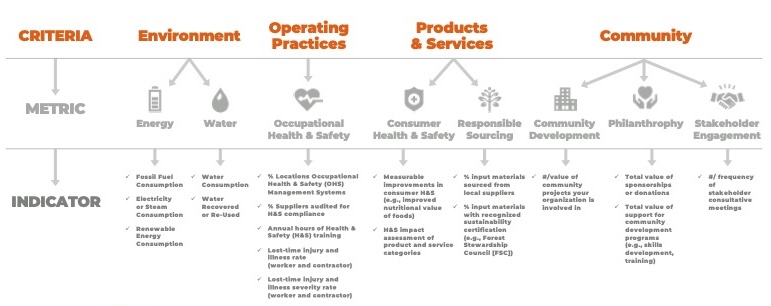
Water is at the core, but don’t overlook:
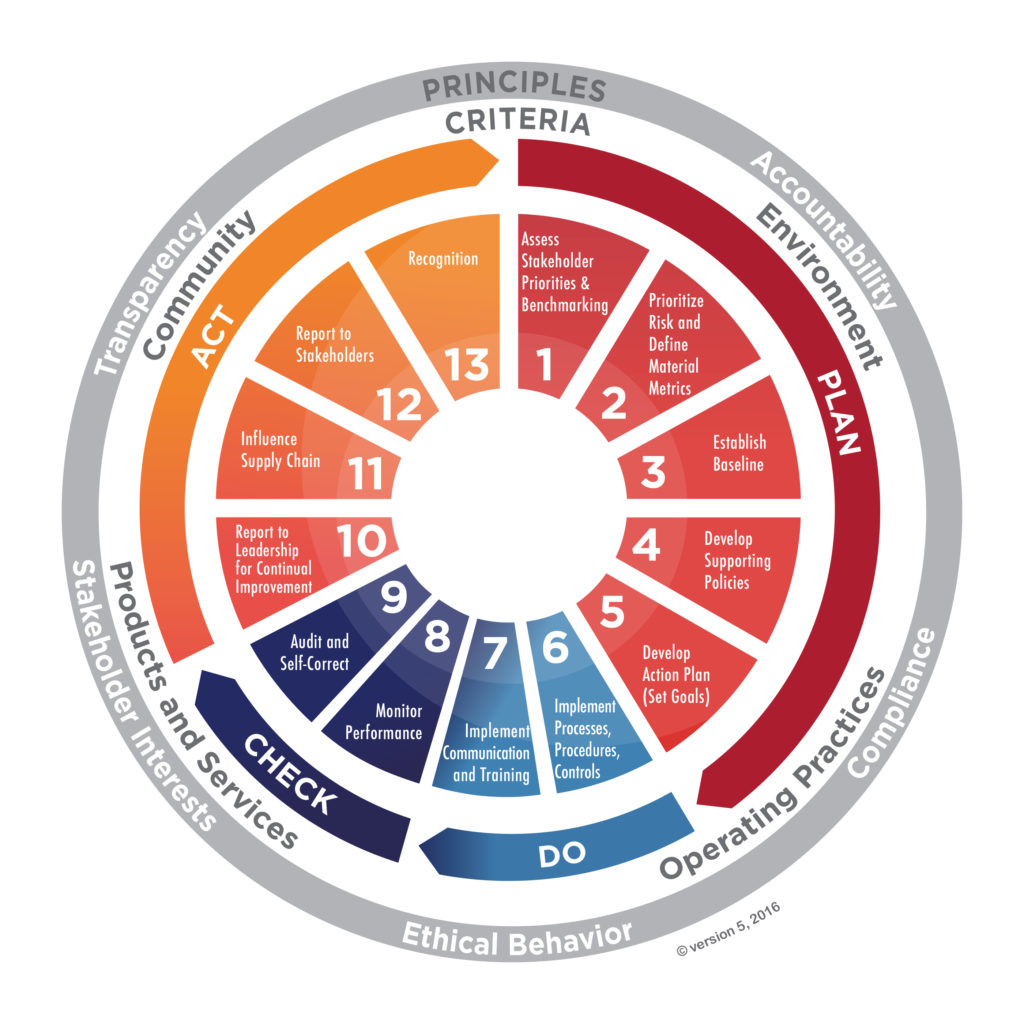
DWQMS Element 9 with proposed updates to identify the role and/or job title of person(s) responsible for undertaking Management Review and personnel having Top Management responsibilities, can ensure Organizational Accountability, Ethical Behavior, Transparency, and alignment with stakeholder expectations (e.g., MECP, Community, Suppliers).
More municipalities are integrating ISO 14001 and other standards with their DWQMS. They’re leveraging Infrastructure Review not just for compliance, but for energy and chemical efficiency. They’re recognizing how water services affect—and are affected by—community resilience, environmental performance, and operational efficiency.
We need the revised QMS to fill in the steps in between and drive the remainder of the Sustainability Strategy. Here’s how to get started:
Check out how LHPWSS, EAPWSS, OCWA, OWWA are leveraging DWQMS to manage Sustainability while increasing efficiency and identifying cost savings.
Contact Tavares Group Consulting to learn how we can help you integrate DWQMS into a comprehensive Sustainability Strategy.
We’ll show you how to leverage your existing systems—and accelerate the process using Staarsoft® Sustainability Strategy Software for real-time visibility, automated guidance, and clearer outcomes.
Let’s build the future of drinking water management—together.