
Our philosophy is to provide clients with unique and cost-effective
solutions. In doing so, we place great emphasis on knowledge sharing
to ensure we leave clients with the skills, experience and confidence to
carry the results of projects forward.
Consumers recognize that to make a purchase is to vote for a product. While buzz terms like “organic,” “non-GMO,” and “free range” reflect a hyper awareness of the food products consumed, there is a growing sensitivity to what people put on their bodies. Over the past few decades, shopping for clothes has become a form of entertainment rather than necessity. The average North American purchases 400% more clothing today than they did twenty years ago. In the wake of decades of overconsumption, there is a shift towards mindfulness, minimalism, and a less cluttered lifestyle.
Laced with the personal motivation to clear physical and mental space is the awareness of the ethical and environmental impacts of overconsumption. Clothes are ending up in landfill, water sources are being depleted, and rivers, lakes, and oceans are being contaminated by over 8,000 chemicals associated with the fashion industry. In addition to environmental degradation, approximately 85% of the world’s 40 million garment workers are women who are often forced to work in unsafe conditions and are among the lowest paid labourers in the world. As films like River Blue educate consumers about of the implications of their shopping habits, apparel companies must adjust their practices to meet the new social and environmental justice demands.
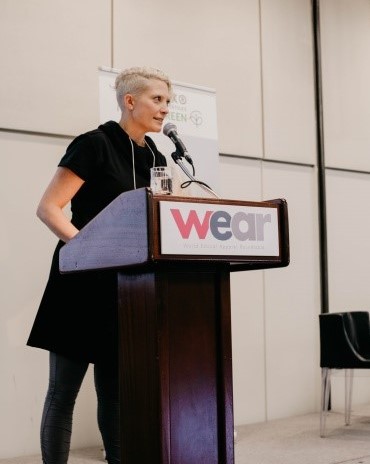
Kelly Drennan, Executive Director of FTA
As Canada’s only non-profit fashion industry organization focused on sustainability, Fashion Takes Action (FTA) is leading the way in better industry practices. Their mission is “to work with industry and consumers with the goal to shift behaviour toward more positive social and environmental impacts.” In a recent interview, FTA’s Executive Director, Kelly Drennan, draws on her extensive first-hand knowledge to share her insights into some key concerns surrounding the social and environmental impacts of the fashion and apparel industry.
Q: What are some of the key trends and issues regarding sustainability in the fashion industry?
A: There are many issues and challenges that the fashion industry faces, but the one that is getting the most attention lately is waste and the circular economy. The average North American puts 80 lbs of textile waste into landfill each year, and the greenhouse gas emissions from this is greatly affecting climate change. Given that the fashion industry is a multi-trillion dollar one (which happens to be the second largest polluter after oil), there is no industry better positioned to turn things around.
The trend right now for many brands and retailers is to commit to zero waste design and a circular economy – moving away from the linear “take, make, waste” model to a circular and more regenerative one. Several retailers have implemented in-store take-back programs where customers can drop off any used and unwanted textiles to be recycled (either reused or recycled into new products). This is only going to increase as regulations are coming into effect, and the industry is recognizing the value of textiles that are ending up wasted in landfill. Hopefully, we will see the fast fashion brands produce less, so that unsold garments are not ending up in the waste stream, and also consumers to buy less because over consumption is a huge part of the problem.
Water consumption and pollution is becoming a second issue of focus for many brands and retailers. The amount of toxic chemicals used to make our clothing is outrageous. The textile industry pollutes 5,600,000 Olympic-sized swimming pools of fresh water each year. And cotton is such a water intensive crop that the average cotton t-shirt requires seven to ten bathtubs of water to make from start to finish. The microfibers from polyester and other synthetics are being shed in the wash cycle and creating an epidemic in our oceans – and now these microfibers are appearing in the Great Lakes. So, we should see more innovative solutions coming out to address water in the fashion supply chain.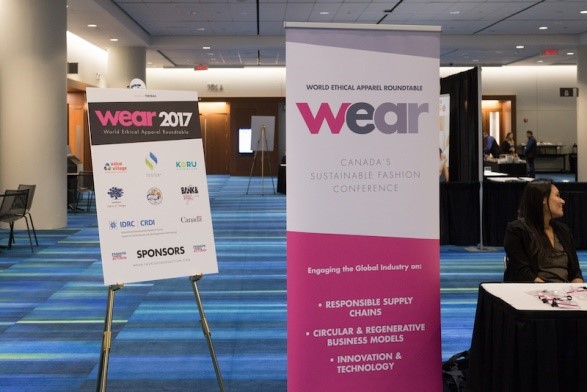
Q: How is FTA working with the fashion and apparel industries to solve these problems?
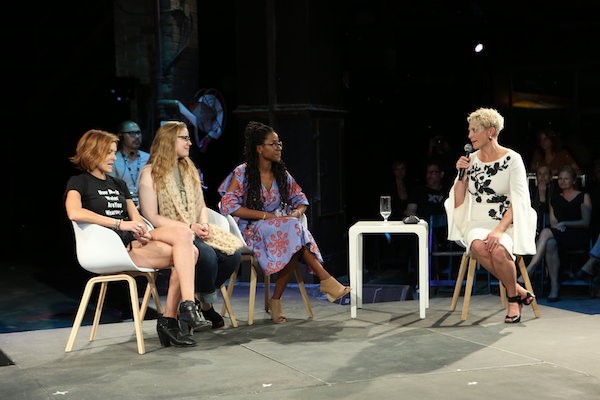
A: We produce an annual conference, the World Ethical Apparel Roundtable (WEAR), which brings global industry leaders to Toronto to share best practices with Canadian brands and retailers. WEAR also attracts a number of international delegates each year, as it is the only conference in North America that tackles sustainability in the fashion industry.
For smaller designers and emerging artists, we host an annual award, Design Forward. This recognizes designers who have not sacrificed style in the name of sustainability, proving that sustainable is sexy and fashionable. This year we will have six award categories, including an Innovation award and a Global Impact Award which will be awarded to a global apparel brand that has taken a leadership position in these fields.
 FTA also offers a membership program to apparel companies dedicated to better sustainability practices, providing services from business model education to sustainability reporting to staff training and education. FTA’s sustainable fashion consultancy is designed to address the multitude of challenges faced by brands and retailers, helping with everything from design, sourcing and production, to marketing, sales, distribution, and end of life.
Q: In what ways does FTA membership assist members, and to whom is membership primarily marketed?
A: We offer different levels of membership, so it really depends on the size of the company and their level of commitment to sustainability. We even offer a Community membership for consumers who want to support the work we do and benefit from discounts to attend our social events.
Our recently launched Executive level is geared toward national and multi-national brands and retailers working with a number of consultants who are each experts in the areas that brands and retailers are struggling most. From sourcing fabric and labour to supply chain transparency, CSR reports, and innovating business models, our consultants are in place to help make the transition to sustainability less daunting and overwhelming because oftentimes that is the reason the industry chooses to not engage. Knowing where to start is the role that FTA plays, as we work with our members to develop an overall strategy for them, and then pair them up with our consultants who offer webinars, workshops, and online resources and tools.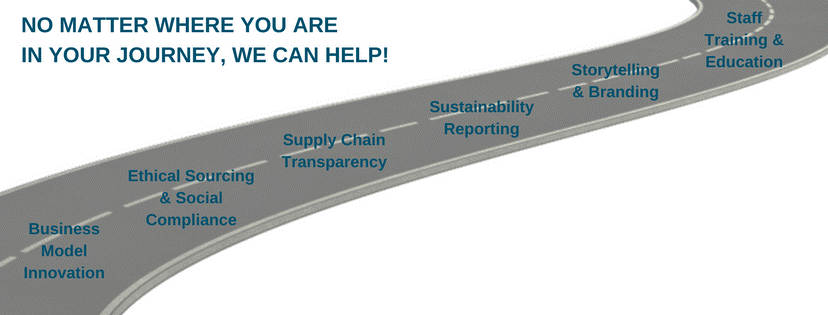
Tavares Group Consulting is one of the partner consultants available to members at the Executive level. Members can engage the firm to assist them with sustainability training, planning and implementation, and stakeholder reporting. Additionally, FTA members can receive a discount on StaarsoftTM, Tavares Group Consulting’s sustainability planning and reporting software.
As more consumers become educated about the effects of the fashion industry from an individual to a global level, they are increasingly conscious of their purchase power, and seek ethical sources for clothing. Fashion companies who take the initiative to pursue zero waste design, innovative sourcing and production, and a regenerative economy are part of a forward-thinking movement responding to the demands of consumers and leading the way in social and environmental responsibility.